Valorant Competitive Scene and Champions Tour Explained What Makes It Stand Out
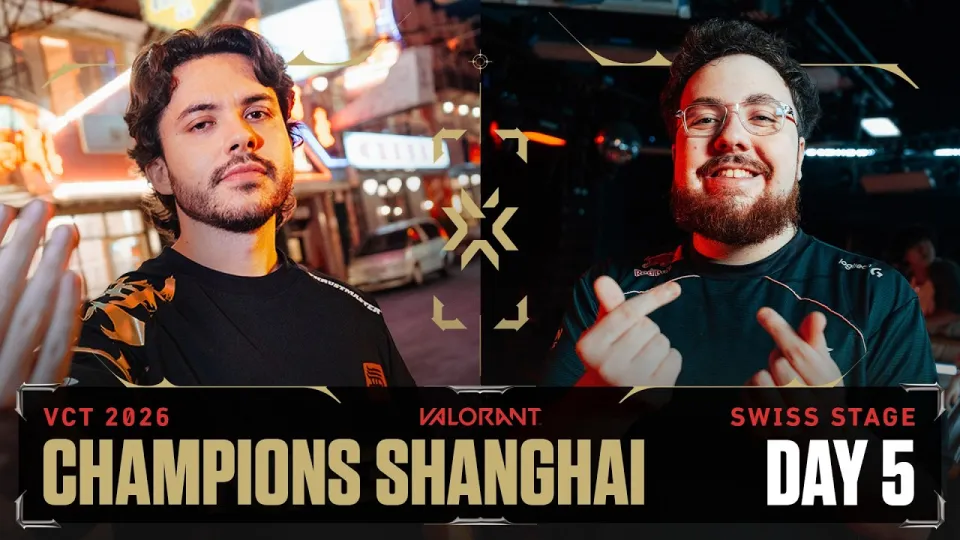
Video: VALORANT Champions Shanghai — Group Stage — Day 5
Want articles like this for your own video to promote it on YouTube and Google? Order them through the Telegram bot @sat_sit_bot. It writes articles around your video, embeds the video and publishes them on popular niche websites (no ads). Free trial — 50 articles.
· based on the channel VALORANT Champions Tour
Valorant has rapidly become one of the most competitive and engaging first-person shooter esports globally, largely due to its structured global tournament framework known as the VALORANT Champions Tour (VCT). The VCT unites top teams from various regions to compete for the prestigious world champion title, making it the go-to platform for both professional players and fans. For those looking to understand Valorant’s competitive scene and the significance of the Champions Tour, this article outlines the key elements, recent developments, and how the 2026 Shanghai event exemplifies Valorant’s esports evolution.
Understanding Valorant's Competitive Scene
Valorant’s competitive scene is organized around a series of events culminating in the annual VALORANT Champions, which crowns the world’s best team. These events are divided into stages, including Challengers, Masters, and the Champions itself. The ecosystem supports regional qualifiers across Americas, China (CN), Europe, Middle East, and Africa (EMEA), and the Pacific, ensuring a diverse and global competitive field.
The 2026 season has witnessed a compelling shift in team dynamics, with new challengers emerging and previous expectations being overturned. This evolution keeps the gameplay fresh and unpredictable, creating high-stakes matches that captivate audiences worldwide.
Highlights from VALORANT Champions Shanghai Group Stage
The Shanghai group stage is a crucial phase where sixteen elite teams battle for a direct spot in the knockout rounds. The teams represent four major competitive regions: Americas, CN, EMEA, and Pacific. This diversity ensures a clash of playing styles and strategies, highlighting global talent.
Matches are intense, often featuring tactical map control, agent synergy, and high individual skill. For example, the match between PRX and G2 showcased strategic depth with map choices like Split, Haven, and Lotus, demanding adaptability and teamwork. Although PRX didn’t perform optimally on day five, G2 also struggled to secure a win, reflecting the high competition level.
Agents and Gameplay Innovations
Valorant’s gameplay centers around agents with unique abilities that complement gunplay. This combination demands both mechanical skill and tactical decision-making. The Shanghai event underlined the importance of agent selection as teams experimented with new compositions to counter opponents.
One suggestion from the community is introducing a night mode or lighting variations to enhance gameplay experience and increase game sense. While not yet implemented, such innovations could add depth to competitive play by affecting visibility and strategy.
The Role of Sponsors and Partners in Valorant Esports
The success of Valorant esports is supported by a range of sponsors who contribute to event production and prize pools. Partners like AWS, Coinbase, HyperX, Mastercard, OnePlus, Red Bull, and Verizon provide technological, financial, and promotional support, enabling large-scale events such as the Shanghai Champions.
This collaboration ensures high-quality broadcasts, player support, and global reach, making Valorant esports accessible to fans worldwide through platforms like Twitch, YouTube, and TikTok.
Common Questions from the Community
Many viewers ask why certain teams consistently dominate while others struggle to break through. The answer lies in team synergy, individual performance, and adaptation to meta shifts. Teams like PRX and G2 have shown moments of brilliance but also inconsistency, reflecting the evolving competitive landscape.
Another frequent topic is the need for roster improvements, such as G2's requirement for specific players like Icy and JonahP to enhance performance. Player dynamics significantly impact a team's success.
Useful Links
- Official VALORANT Esports on X for news and updates: https://x.com/valorantesports
- Facebook: https://www.facebook.com/ValorantEsports/
- Instagram: https://www.instagram.com/valorantesports/
- TikTok: https://www.tiktok.com/@valorantesports
- Twitch: https://www.twitch.tv/valorant
Conclusion
Valorant’s competitive scene, exemplified by the VALORANT Champions Tour and the Shanghai group stage, offers a thrilling and dynamic experience for players and fans alike. The blend of skill, strategy, and global participation makes it a standout esports title. As new contenders rise and the meta evolves, following official channels like the VALORANT Champions Tour ensures fans stay informed and connected to every moment of the competition.
Key takeaways
- Valorant Champions Tour (VCT) is the premier global esports competition for Valorant.
- 16 teams from Americas, CN, EMEA, and Pacific regions compete for the world champion title.
- 2026 VALORANT Champions Shanghai event features group stages with top-tier teams.
- New contenders have emerged, breaking expectations and rising as champions at Masters events.
- Official VALORANT Esports channels provide live updates, highlights, and event coverage.
Source: VALORANT Champions Shanghai — Group Stage — Day 5 · Markdown version
Questions & answers
What is the VALORANT Champions Tour (VCT)?
The VCT is Valorant's official global esports circuit that organizes tournaments where top professional teams compete for the world champion title each year.
How many teams compete in the VALORANT Champions Shanghai event?
Sixteen teams from regions including Americas, China, EMEA, and Pacific compete in the Shanghai event, battling through group stages to advance to knockout rounds.
Why do some teams struggle despite having skilled players?
Team success depends on synergy, coordination, and adapting to meta changes. Even skilled individual players need strong teamwork and strategy to consistently win.
Are there plans to introduce new gameplay modes in Valorant?
While not officially announced, community suggestions like a night mode with altered lighting could add new strategic elements, enhancing game sense and competitive variety.