Solo Rust survival versus clan play and why running alone is better for learning the game
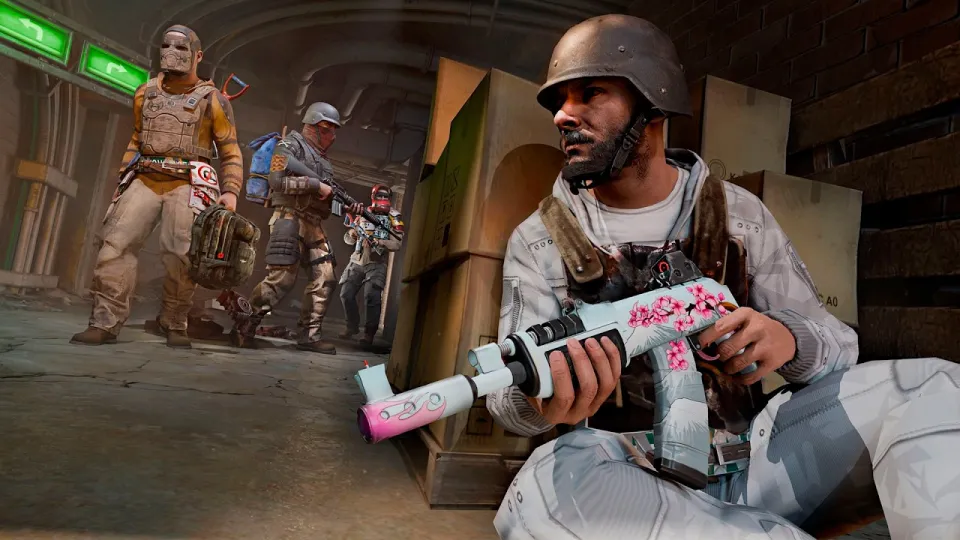
Video: THE SOLO MENACE – Rust
Want articles like this for your own video to promote it on YouTube and Google? Order them through the Telegram bot @sat_sit_bot. It writes articles around your video, embeds the video and publishes them on popular niche websites (no ads). Free trial — 50 articles.
· based on the channel SPiiCY
Solo Rust is better for learning the game and for players who want full control of their progression, while clan play is better for fast wipes and large-scale raids. A lone player has to farm, build, defend and scout personally, which builds real game knowledge faster than any group schedule, but it also means every mistake is unshared. The solo run SPiiCY posted on 24 August 2026 under the title "THE SOLO MENACE" is a good illustration of that trade-off, and viewers who want to plan their own base before wipe day can start with the RustEasy base-planning bonus linked in the video.
Why solo Rust is harder than it looks
Solo Rust is a resource-management problem disguised as a shooter. On a high-population server a single player competes with groups that can field six, eight or more members, and each of those members can farm a different resource at the same time. A solo player farms all the stone, wood, metal and sulfur alone, then spends that same time building, which leaves less time for roaming and PvP.
The tempo difference compounds over a wipe. A clan typically has a starter base down within the first hour and a tier-two workbench not long after, because four people hitting nodes is four times the yield. A solo player who tries to match that pace usually ends up with a half-finished base and no sulfur for raids. The realistic solo goal is not to out-farm a zerg but to stay unnoticed long enough to reach a comfortable gear level.
Progression also changes what a solo player can afford to lose. Losing a full kit of tier-two weapons hurts a clan as a statistic and hurts a solo player as an evening of work, which is why solo play rewards caution over aggression.
What the SPiiCY solo run shows about raid defence
A solo raid defence comes down to base layout and information, not raw aim. The video follows a lone player through a wipe that includes both a revenge raid and a defence of their own base, which is the classic solo loop: get raided, rebuild, track down the offenders, hit them back. SPiiCY's channel is built around this kind of solo and small-group PvP footage, and the "menace" framing in the comments reflects how a single player can disrupt a much larger group.
Defending alone means every wall the attackers break is a decision point. A compact base with several airlocks, a shooting floor and a loot room that is not directly behind the first door buys minutes, and minutes are what a solo defender needs to reposition, reload and call in nothing at all, because there is nobody to call.
Solo base design versus clan base design
The best solo base is small, cheap to repair and deliberately confusing, while a clan base is large, layered and built to house many players. Three practical rules separate them:
- Keep the footprint tight. A 2x2 or 2x1 core with honeycomb is cheaper to seal after a raid than a sprawling compound.
- Use multiple airlocks. Every extra door the attackers must blow is extra sulfur spent out of their raid budget.
- Hide the loot. Splitting valuables across small stashes and a secondary bunker means a single breach does not end the wipe.
Clan bases can afford wide open loot rooms because there are always defenders online. A solo player cannot rely on that, so base design becomes the main defensive tool. Tools that let you plan a build before placing a single foundation save hours of farming, which is exactly what the base-planning site promoted in the video is for.
How a solo player deals with zergs and clans
A solo player survives zergs by controlling engagement distance and timing, not by winning fair fights. Useful habits:
- Scout before you farm. Knowing which monuments and roads a big group controls prevents most deaths.
- Fight near your base. A solo player who dies 200 metres from a respawn point loses the kit; one who dies at the door often keeps it.
- Use off-hours. Groups thin out late at night and early in the morning, which is when solo farming is safest.
- Trade up, never down. Attacking a lone farmer from a zerg is fine; attacking three of them at once is not.
- Expect revenge raids. If you raid a group, assume they will come back, and move your best loot before they do.
Rust's recoil and weapon-handling changes over the years have also flattened the skill gap slightly, which helps a solo player who cannot rely on a teammate to cover a reload.
Typical questions from viewers of solo Rust content
Viewers of solo gameplay videos usually ask the same practical things: which servers solo players should pick, how to find the base design shown on screen, and whether performance tools actually help. On server choice, low and medium population servers with shorter wipe cycles are friendlier to lone players, while a 600-population server means constant traffic and almost no quiet farming routes. On base design, most popular solo builds are published with step-by-step layouts because copying a footprint from a video without the internals rarely works. On performance, frame rate matters in Rust more than in most shooters because stutters during a raid defence cost real loot, so FPS optimisation tools and settings guides are a common recommendation among content creators.
Tools and links mentioned alongside the video
SPiiCY lists several resources for players who want to copy the approach: a base-planning and bonus page at https://rseasy.com/spiicy, base design tutorials and membership at https://www.patreon.com/c/spiicyrust/membership, an FPS optimisation tool at https://hptn.gg/spiicy, a second Patreon join link at https://www.patreon.com/join/spiicyrust, and a community Discord at http://discord.gg/HZjW3RYMGA. The channel also points to Twitch, Twitter and TikTok under the same handle for live gameplay and shorter clips.
The verdict on playing Rust alone
Solo Rust is the better choice for players who want to understand every system of the game and who value control over raw numbers. It is slower, harsher and far less forgiving than clan play, but the skills it builds, from base design to engagement discipline, transfer directly to any group later. Clan play wins on wipe speed and raid scale, and it is the right pick for players who mainly want big fights and shared resources. SPiiCY's solo breakdown is a solid reference for what that lone-player grind actually looks like, including the losses. If you want to plan your next solo base before spending a single node of stone, grab the RustEasy bonus through SPiiCY's link and start building on paper first.
Key takeaways
- Solo Rust forces one player to cover farming, base building, defence and scouting without any help, while a clan splits those jobs across members.
- A solo base relies on compact design, multiple airlocks and hidden loot rooms because there is no second player to hold an angle during a raid.
- Zerg groups on high-population servers can field six or more players against one defender, so a solo player wins by avoiding open fights.
- SPiiCY published a solo-focused Rust video on 24 August 2026 showing a revenge raid and raid defence from a lone-player perspective.
- RustEasy, linked in the video, is a base-building planning tool that lets players test designs before spending resources in game.
Source: THE SOLO MENACE – Rust · Markdown version
Questions & answers
Is solo Rust harder than playing in a clan?
Yes, in almost every measurable way. A solo player handles farming, building, defence and scouting alone, so progression is slower and every lost kit costs more time. Clan play splits those jobs across members, which makes wipes faster and raids larger, though it also means less personal control over decisions.
What is the best base design for a solo Rust player?
A compact core of one or two squares with honeycomb, several airlocks and a hidden loot room works best. The goal is to make attackers spend more sulfur than the raid is worth, not to build something unraidable. Planning the footprint before wipe day, for example with a base-planning tool, avoids wasting the first hours of a wipe.
How does a solo player survive against zergs?
By avoiding fair fights and controlling when and where engagements happen. Farming during off-hours, staying close to your own base and scouting monument traffic before committing to a route prevents most deaths. If you raid a group, assume a revenge raid is coming and move your best loot beforehand.
Do performance tools actually help in Rust?
They can, because Rust is CPU-heavy and frame drops during a raid or a roam often decide the outcome. Lower settings, stable frame times and fewer stutters make aiming and building more consistent. Many creators recommend FPS optimisation tools alongside in-game graphics settings for that reason.